
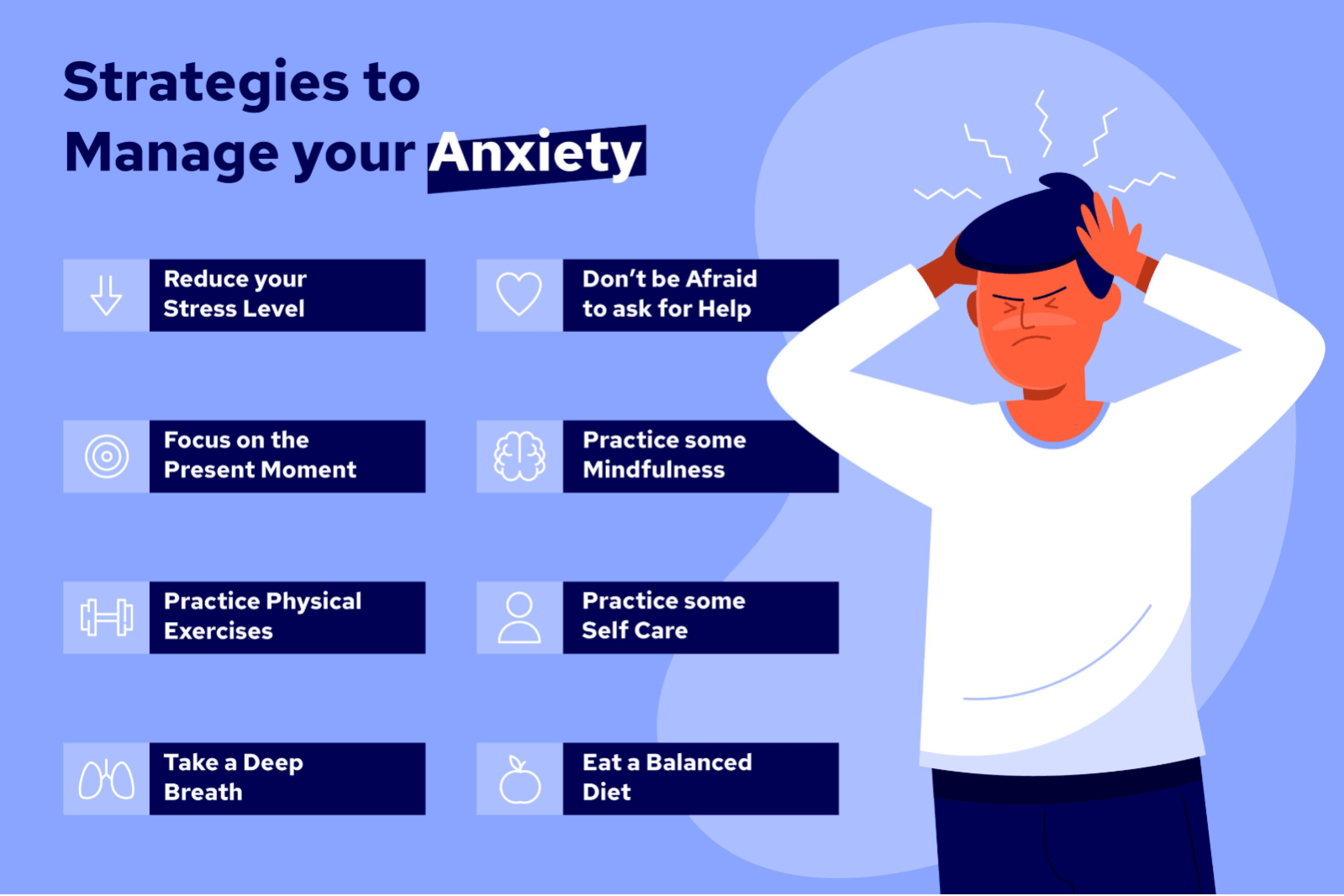
How to Overcome Anxiety Naturally: Practical Tips for Calming Your Mind
How to overcome anxiety naturally, Anxiety is a natural part of life, but when it becomes overwhelming, it can affect your daily routine and well-being. While medication can be helpful for some people, there are numerous natural strategies you can try to manage and reduce anxiety without resorting to pills. In this blog post, we’ll explore simple and effective techniques that can help you overcome anxiety naturally and regain control over your mental health.
Quick Answer
Overcoming anxiety naturally involves strategies like practicing mindfulness, regular physical activity, proper sleep, healthy nutrition, deep breathing, and reducing stressors. These habits can help calm the mind and reduce anxiety symptoms.
1. Practice Mindfulness and Meditation
Mindfulness is the art of being fully present in the moment, without judgment. When you practice mindfulness regularly, you can break the cycle of anxious thoughts and gain more control over your emotions.
How It Helps:
- Mindfulness helps you become aware of anxious thoughts and feelings, allowing you to accept them without letting them control you.
- Meditation helps calm the nervous system, reducing stress and promoting relaxation.
How to Do It:
- Start with short sessions: Begin with 5–10 minutes each day, focusing on your breath or repeating a calming word or phrase.
- Mindfulness exercises: Engage in mindful walking, eating, or breathing. Simply focus on the present moment and your senses.
Tip: Use guided meditation apps like Headspace or Calm to help you get started with meditation and mindfulness exercises.
2. Get Regular Exercise
Physical activity is a powerful tool in managing anxiety. Exercise helps release endorphins, the brain’s natural feel-good chemicals, which can improve your mood and reduce stress.
How It Helps:
- Exercise lowers cortisol, a stress hormone, while boosting endorphins that help elevate mood.
- Regular physical activity promotes better sleep, which is crucial for mental health.
How to Do It:
- Aim for at least 30 minutes of moderate exercise per day. This could be walking, jogging, yoga, or any physical activity you enjoy.
- Mix it up: Include aerobic exercises like running, dancing, or cycling, along with relaxation exercises like yoga or Tai Chi to reduce muscle tension and stress.
3. Improve Your Sleep Hygiene
Lack of sleep can exacerbate anxiety, making it more difficult to manage your emotions. When you get enough rest, your body and mind can recover from daily stressors, and you’ll be more resilient in handling anxiety.
How It Helps:
- Proper sleep restores your body’s chemical balance, supports brain function, and improves emotional regulation, which can help reduce anxiety.
- Lack of sleep can increase stress hormones and make it harder to cope with anxious thoughts.
How to Do It:
- Create a sleep-friendly environment: Keep your bedroom dark, quiet, and cool. Consider using blackout curtains and a white noise machine.
- Establish a bedtime routine: Go to bed and wake up at the same time every day. Avoid caffeine, alcohol, and heavy meals before bed.
- Limit screen time: Avoid using electronic devices like phones or laptops at least 30 minutes before bedtime, as the blue light can interfere with sleep quality.
4. Eat a Balanced Diet
What you eat can have a direct impact on your anxiety levels. Nutrient-rich foods can support mental health, while certain foods can trigger or worsen anxiety.
How It Helps:
- A balanced diet provides the nutrients your brain needs to regulate mood and mental clarity.
- Omega-3 fatty acids, magnesium, and B vitamins are particularly beneficial for reducing anxiety.
How to Do It:
- Focus on whole foods: Include plenty of fruits, vegetables, lean proteins, and whole grains in your diet.
- Incorporate anxiety-reducing foods: Foods rich in magnesium (like leafy greens, nuts, and seeds) and omega-3 fatty acids (like salmon and chia seeds) can help reduce anxiety.
- Limit processed foods and sugar: These can cause fluctuations in blood sugar levels, leading to irritability and anxiety.
5. Try Deep Breathing Exercises
Deep breathing is one of the easiest and most effective ways to calm the body and mind during an anxiety episode. By focusing on your breath, you can activate your body’s relaxation response and lower anxiety levels.
How It Helps:
- Deep breathing helps activate the parasympathetic nervous system, which reduces heart rate and lowers stress levels.
- It encourages full oxygenation of the body, helping to calm the mind and improve focus.
How to Do It:
- 4-7-8 Breathing: Inhale for 4 counts, hold your breath for 7 counts, and exhale slowly for 8 counts.
- Diaphragmatic Breathing: Breathe in through your nose, letting your abdomen rise as you fill your lungs with air. Exhale slowly through your mouth.
- Practice regularly: Take a few minutes each day to practice deep breathing, especially during stressful moments.
6. Reduce Stress with Yoga or Tai Chi
Both yoga and Tai Chi are mind-body practices that combine slow, deliberate movements with breath control. These practices can help release tension in the body, calm the mind, and improve your mental health over time.
How It Helps:
- Yoga and Tai Chi promote relaxation and mindfulness, which can lower anxiety levels.
- These practices focus on breath and movement, helping to reduce physical tension and improve mental clarity.
How to Do It:
- Join a class: Whether it’s yoga or Tai Chi, try a beginner class to learn the basics.
- Practice at home: There are plenty of online resources and apps that offer guided sessions for beginners.
7. Limit Stimulants and Alcohol
Caffeine, nicotine, and alcohol can all have a stimulating effect on the body and mind, making anxiety worse. Reducing your intake of these substances can help calm your nervous system and reduce symptoms of anxiety.
How It Helps:
- Caffeine and nicotine increase heart rate and blood pressure, which can trigger anxiety.
- Alcohol may initially make you feel relaxed, but it can disrupt sleep and worsen anxiety in the long run.
Anxiety treatment
How to Do It:
- Limit caffeine: Reduce your intake of coffee, tea, and energy drinks, especially in the afternoon or evening.
- Avoid alcohol before bed: While alcohol may seem like a way to unwind, it can disrupt your sleep cycle and heighten anxiety symptoms.
Final Thoughts
Overcoming anxiety naturally involves a combination of mindfulness, physical activity, proper sleep, and healthy lifestyle choices. By incorporating these practices into your daily routine, you can manage anxiety without medication and improve your overall well-being.
Additional Tips:
- Journaling: Writing down your thoughts and feelings can help you process anxiety and release pent-up emotions.
- Support System: Lean on friends, family, or support groups to help you through difficult times.
Anxiety doesn’t have to control your life. By embracing these natural techniques and strategies, you can begin to regain control over your mental health and lead a calmer, more balanced life.