
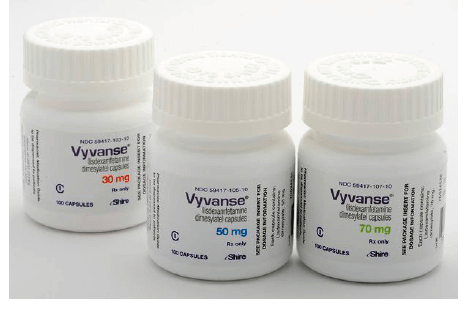
Managing ADHD effectively often requires prescription medications like Vyvanse, but the cost can be a significant concern for patients without insurance coverage. If you’re wondering about the price of Vyvanse 30 mg without insurance, you’re not alone. This comprehensive guide will break down the costs, explore money-saving options, and help you understand what to expect when paying out-of-pocket for this essential medication.
- Understanding Vyvanse and Its Importance
- Current Vyvanse 30 mg Pricing Without Insurance
- Factors That Influence Vyvanse Pricing
- Money-Saving Strategies for Vyvanse 30 mg
- Alternative Options to Consider
- Planning Your Budget for ADHD Treatment
- The Importance of Consistent Treatment
- Final Thoughts
Understanding Vyvanse and Its Importance
Vyvanse (lisdexamfetamine dimesylate) is a prescription stimulant medication primarily used to treat Attention Deficit Hyperactivity Disorder (ADHD) in children, adolescents, and adults. It’s also approved for treating moderate to severe binge eating disorder. As a brand-name medication with no generic equivalent currently available in the United States, Vyvanse tends to carry a higher price tag than older ADHD medications.
The 30 mg dosage is commonly prescribed as either a starting dose or a maintenance dose, depending on individual patient needs and response to treatment. For many patients, this dosage provides effective symptom control while minimizing side effects.
Current Vyvanse 30 mg Pricing Without Insurance
The cost of Vyvanse 30 mg without insurance varies significantly depending on several factors, including your location, the pharmacy you choose, and current market conditions. As of 2025, patients can expect to pay anywhere from $300 to $450 for a 30-day supply of Vyvanse 30 mg capsules when paying cash prices.
Here’s what you might expect at different types of pharmacies:
Chain Pharmacies: Large pharmacy chains, such as CVS, Walgreens, and Rite Aid, typically charge between $350 and $420 for a 30-day supply of Vyvanse 30 mg without insurance.
Independent Pharmacies: Local independent pharmacies may offer slightly different pricing, sometimes ranging from $320 to $400, although prices can vary widely based on their supplier relationships and business models.
Warehouse Stores: Membership-based pharmacies like Costco or Sam’s Club often provide competitive pricing, potentially offering Vyvanse 30 mg for $300-$370 per month, even to non-members in some cases.
Online Pharmacies: Legitimate online pharmacies may offer prices ranging from $310-$390, though shipping costs and verification requirements should be considered.

Factors That Influence Vyvanse Pricing
Several factors contribute to the high cost of Vyvanse and the variation in pricing across different outlets:
Patent Protection: Vyvanse is still under patent protection, preventing generic manufacturers from producing equivalent versions. This monopoly allows the manufacturer, Takeda Pharmaceuticals, to maintain higher pricing.
Pharmacy Markup: Each pharmacy applies its own markup to prescription medications, which can vary significantly between different chains and independent stores.
Geographic Location: Urban areas may have higher prices due to increased operational costs, while rural areas might have limited competition affecting pricing.
Purchase Volume: Pharmacies that purchase larger quantities may negotiate better wholesale prices, potentially passing some savings to customers.
Money-Saving Strategies for Vyvanse 30 mg
Despite the high cost, several strategies can help reduce your out-of-pocket expenses for Vyvanse:
Manufacturer Savings Programs: Takeda Pharmaceuticals offers a Vyvanse savings card that can significantly reduce costs for eligible patients. This program may lower your monthly cost to as little as $30, though income restrictions and other eligibility requirements apply.
Pharmacy Discount Programs: Many pharmacies offer their own discount programs or loyalty cards that can provide modest savings on prescription medications.
Prescription Discount Services: Third-party services like GoodRx, SingleCare, or RxSaver can provide discount coupons that may reduce Vyvanse costs by 10-20% at participating pharmacies.
Patient Assistance Programs: For qualifying low-income patients, Takeda offers patient assistance programs that may provide free or significantly discounted medication.
Pharmacy Shopping: Comparing prices across different pharmacies in your area can reveal significant cost differences, potentially saving you $50-100 per month.
Alternative Options to Consider
If Vyvanse remains financially challenging even with discount programs, discuss these alternatives with your healthcare provider:
Generic Stimulants: Medications like generic Adderall (amphetamine salts), methylphenidate, or dextroamphetamine are available at much lower costs, typically ranging from $30-80 per month without insurance.
90-Day Supplies: Some pharmacies offer better per-pill pricing for 90-day supplies, which could provide modest savings if you can afford the larger upfront cost.
Pill Splitting: In some cases, your doctor might prescribe a higher strength that can be split, though this should only be done under medical supervision and isn’t appropriate for all formulations.
Planning Your Budget for ADHD Treatment
When budgeting for Vyvanse 30 mg without insurance, consider these monthly cost ranges:
- Best-case scenario (with manufacturer savings card): $30-60 per month
- With discount programs: $250-320 per month
- Standard cash price: $300-450 per month
Additionally, factor in the cost of regular doctor visits for monitoring and prescription refills, which typically range from $150 to $300 per visit.
The Importance of Consistent Treatment
While the cost of Vyvanse can be substantial, it’s important to weigh this against the significant impact that untreated ADHD can have on work performance, academic achievement, and quality of life. Studies consistently show that effective ADHD treatment can lead to improved productivity, better relationships, and reduced risk of accidents or other complications.
If cost is preventing you from accessing needed medication, don’t simply stop treatment. Instead, work with your healthcare provider to explore alternatives, apply for assistance programs, or develop a treatment plan that fits your budget while still providing effective symptom management.
Final Thoughts
The cost of Vyvanse 30 mg without insurance represents a significant monthly expense, typically ranging from $300 to $450 for most patients paying cash prices. However, various discount programs, manufacturer savings cards, and patient assistance programs can substantially reduce these costs for eligible patients.